Showing posts with label Classical. Show all posts

October 29, 2025

Contemporary New Age Instrumental (Classical) Review and Interview - Barry DeGroot - Unspoken Conversations


Release Date: October 10, 2025

Label: Independent

Website

After years of hearing this kind of music, my interpretation of it has changed into something I can express in words, but not to its fullest extent. You can only express so much with a word; however, feelings, emotions, or passing thoughts cannot always be put into proper context. I like to call it contemporary new age instrumental with a classic underpinning.

Barry DeGroot is one of those rare individuals who has captured everything I have expressed about instrumental piano music on his album Unspoken Conversations. The influence of classical music is more than apparent and a critical foundation from which every composition is born and reaches fruition.

Get ready to immerse yourself in the world of solo piano music, where each note conjures up a myriad of thoughts, images, colors, and memories. The piano’s notes are not just sounds; they are an entire orchestra within an orchestra, creating a rich listening experience.


“Serenity” is the perfect opening track as it moves along slowly, like a gentle stream of water bubbling up from a spring. Its notes float over your consciousness with seamless effort. It feels like the beginning of energy focused on total relaxation or a meditative state.


“Reminiscent” is such a prolific title. It holds a lifetime of memories. In one breath, you can say the word; however, there is an entire book to be written inside it. How can one instrument convey that kind of mindset or imagery? That is not an easy task, but Barry’s melody sufficiently captures the sentiment and the whole meaning.


“Clever Conversation” is a track that needs to be animated because of its implications. Conversing is what people do all over the world, and being clever is not something everyone can be. It is the longest track at 4:04 and rightly so. In the grand scheme of things, a conversation in under five minutes is short; however, in song, it goes into another category entirely. The piano’s melody and timing make it feel as if it’s speaking to you through the elegance of the musician and the sounds emanating from the keys. Hence, the meaning of the album itself!


“Somewhere” has a light-hearted, joyful feeling. You are neither here nor there; you are on your own somewhere where you exist in the moments of listening to this music. In between those places, it is tuneful and consistent, with abbreviated transitions alongside the main melody.

“While You’re Here,” listening to the Unspoken Conversations, there is a lot to be said via the piano’s keys. Thanks to Barry and his talented fingers, we can be reached this way. I heard a call to action in this piece even though its tempo was soft and slow, like a beautiful waltz of the fingers across the keyboard. The dance plays out in your mind’s eye.


“The Pendulum” swings back and forth, indicative of consistent change. That factor is present in this music. The shifting tempos add depth to the piano’s ambiance as the artist blends high and low notes, creating a sense of beauty like a ballerina dancing across the inside of your mind. She sways back and forth as the notes echo off each other.  


“All That Was” is now behind you in this listening experience. This will be musical expressions that you will not forget. This last track takes a slow walk and briefly picks up the pace to remind you of the power and movement of a single instrument. It is a fitting end to a marvelous exploration of the piano keys.


Barry DeGroot takes the singularity of the piano and broadens the scope of every note on Unspoken Conversations. This is a solo piano recording that you must hear to understand and appreciate what has been accomplished.

Keith “MuzikMan” Hannaleck-NAMR Review Founder

October 27, 2025

Tracks:

1. Serenity (3:38)

2. Reminiscent (3:38)

3. Clever Conversation (4:04)

4. Somewhere (3:02)

5. While You’re Here (2:05)

6. The Pendulum (3:24)

7. All That Was (3:24)


October 23, 2025

Contemporary Instrumental Review: John Otott - Invictus (Classical)

Release Date: July 10, 2025

Label: Independent

Website

It’s been eleven years since I explored John Otott’s Colors. I anticipated a distinct experience with Invictus, and I was not disappointed.

Before listening, keep in mind that Invictus is a short poem about overcoming adversity and self-mastery, written by the British poet William Ernest Henley in 1875.

“A Warrior’s Song” begins this new journey with orchestral arrangements and a cinematic soundscape, featuring rising tempos and wordless vocals. We are off to an exciting and colorful start!

“Giuseppi’s Dream” begins softly, then builds like the previous track, engaging your senses and creating an atmosphere that feels authentic and deeply emotional. The piano’s beauty is not overshadowed here; it is enhanced with uplifting orchestrations and powerful percussive elements.

“Invictus” maintains the continuity of emotion and music, shaping a soundtrack that becomes a picture in your mind. The piano takes the lead right from the start, with higher tones and textures, as the orchestrations are melodious and energetic. As the composition progresses, it becomes more layered and complex. For a title track, the expectations are high and easily met on this masterpiece.

“Into Dark Into Light” is a journey of transition, and it is indeed transitory. For music to capture the essence of that human condition, it must move constantly and change quickly, and it does. The piano takes center stage in leading the orchestral maneuvers. Wordless vocals are interjected once again for more emotion and substance. This is drama set to music, a captivating experience.

“Highlands Rhapsody” immediately sounds like classical-based piano interplay. Its beauty is perfection in notes that effortlessly float into your space and consciousness. The tempo is fast-paced and colorful, upholding the standard set in the previous tracks, with some excellent orchestrations that find a distinct place within the composition while enhancing the solo piano runs—a gorgeous soundtrack with melodicism and an enduring foundation in classical music.

“The Storyteller’s Journey” is the perfect title for music like this. The emotion and skillful musicianship administered in every track, and here, bring any story to life. Things start at a slower tempo and then gently move into a higher tempo, accompanied by a layer of synths that adds an orchestral, dramatic touch. The melody is distinct as the piano keys move with strength and presence, continuing to hold the foundation from which everything else is built.

“A Valentine Waltz” is the dance of the piano keys on your heart. It is the shortest track at 3:44. It captures the essence of the track’s meaning immediately, then builds upon that with short bursts of energy and varying tempos. Music that equals pure love through the keys.

“Call of the Canyons” recalls something organic or the vision of the wonders of nature’s work. The Grand Canyon, with its magnificence and mystery of layers and colors, is what came to me quickly. Being there is something surreal and quite memorable. The music’s sweeping orchestrations and melodies help evoke those memories.

“Remember When” pulls on your heartstrings within seconds. Every listener is different; however, music is universal, and its effects on your being are guaranteed if you look at the meaning of the track title. Reminiscing can vary depending on your age. In my opinion, it can hold happiness and sadness at the same time. That is what music like this does: it moves you emotionally and spiritually. When you hear someone say, “remember when?” that is what the piano and synths are saying loud and clear.

“Dare to Fly” straight away asks you that very question. John Otott is flying high in his music. His compositions ended here; however, what you are hearing—and have listened to—is life in motion, masterfully composed and performed by a talented composer and musician. This is drama and cinema, crafted to engage your mind, spark your imagination, and immerse you in the present.  What a grand finish—a treat for the ears and mind.

Invictus will hold different meanings for many listeners. If you focus on the meaning of the album title or immerse yourself in every track and let the music shape your thoughts and emotions, either way works.

Keith “MuzikMan” Hannaleck-NAMR Review Founder

October 22, 2025

Tracks:

01. A Warrior's Song 4:17

02. Giuseppi's Dream 4:24

03. Invictus 4:15

04. Into Dark Into Light 3:47

05. Highlands Rhapsody 5:43

06. The Storyteller's Journey 4:05

07. A Valentine Waltz 3:44

08. Call of the Canyons 3:53

09. Remember When 4:04

10. Dare to Fly 4:35

October 19, 2025

Contemporary Instrumental New Age (Classical) Review and Interview: Joshua Zimmerman-Light Beyond the Shadow


Release Date: October 17, 2025

Label: Independent

Website

In June, I heard Joshua Zimmerman’s "Finding Peace" and had the opportunity to interview him in July, as well as again this month. Now we have Light Beyond the Shadow.

Zimmerman, a classically trained pianist, draws inspiration from his spiritual journey and his love for nature to create his music. Already, another release is ready to go with Light Beyond the Shadow. He presents instrumental solo piano music for his current fanbase and potential listeners.

The elegant and eye-popping cover art of Light Beyond the Shadow surely grabs your attention right away!

As I recall, Joshua’s music his very relaxing, coming from a spiritual place of the artist, and knowing that I would anticipate another healing experience through the music. This is a contemporary new age instrumental with a strong influence from the realm of classical music.

“What’s Meant to Stay” begins your listening experience with lovely notes flowing out of the acoustic piano. The melody carries through splendidly, allowing the transitions to be smooth and natural as the tempo changes. It felt like a modern classical lullaby at times when he focused on the more simplistic strokes of the keys—a beautiful way to start.

“Beneath the Surface” has a soft touch and a sweet, yet sad, ballad atmosphere. When you look or reach beneath the surface of anything, it can come as a surprise what you discover, particularly in the context of the human condition. Because music is so directly connected to us in this way, this composition’s tempo and melody capture the essence of a reflective, introspective individual.

The title track, “Light Beyond the Shadow,” is a beacon of hope and positive energy. Just as the cover art would convey.  Here we find the artist delving into an area that can be real as we desire (even though you cannot “see” it), whether in the mind or the space you are in this moment, there is always light to be found. The piano’s keys evoke a sense of warmth and positivity we all need, lifting the spirits of the listener.

“Whispers of Hope” continues the path of positivity and light. The music is more than a whisper; it hints at all our personal journeys that we hold dear to our hearts. With that, though, comes optimism and clarity, and the keys of the piano pronounce those thoughts. The tones and colors are clear and concise as each note resonates within your consciousness.

“Unseen Path” would indicate that what we cannot see physically has no bearing on where we can go or not go—relating to the previous tracks, I see how they are all connected in the tapestry of sound and emotion. The piano’s rhythm and innate melodicism pull you into the “path,” making it real and your own to follow. So elegant and beautiful, creating a sense of continuity and unity in the album.

This music is meant to make you feel “Made New.”  As you intently listen to the oneness of the solo piano and how the sounds embrace you, the feeling, every time, feels new. It sounds like the piano is singing to you alone, without a human voice to accompany it; it demonstrates that it has its own unique voice, with its own distinct sounds. The person manipulating the keys has every intention of bringing you into the story. The consistent flow and melodies capture you.

“Everything in Time” would suggest that patience will bring us what we desire in life. However, you must seek it for it to know when to come. Time is irrelevant when it comes to music. To my ears, it’s immortal and ready for me at my fingertips with one push of a button or a click of a mouse. The absolute beauty of the piano’s keys shines once again as the artist takes his internal compass to guide him to the place where gentle raindrops of melody and rhythm intersect. It sounds like a love song being played to everyone who will take the time to listen.

“Breathing Still” can have a few meanings. Breathing in stillness or still breathing is what you could discern. Breathe in motion or stillness, and you will create two entirely different scenarios. Without complicating the meaning, I think this is meant to encourage you to be still and listen, watching your breathing as it relates to your level of stress or lack thereof. This gorgeous music not only suggests it, but it also creates that thought and concept through the keys of the piano.

The piano is “Grace Without Words” on this recording. The track emulates this in so many ways, as does the entire album. The music actualizes emotions, visions, thoughts, a sense of warmth and belonging, all of that and more. This is the shortest track, at three minutes and five seconds; however, it conveys a great deal—another stroke of beauty and relaxation found through the music.

“From Here” we go to the end of this musical presentation. The piano’s instinctive resonant tones permeate your being every time with Joshua Zimmerman at the helm. There is a bright and rhythmic sense to this composition. The overall feeling of this entire recording seems to be encapsulated in this one track. I felt a sense of joy and lightness all around me as I listened.

Joshua Zimmerman is here to remind us that there is Light Beyond the Shadow.

On Light Beyond the Shadow, Joshua Zimmerman achieves a seemingly effortless blend of time and space through his compositions, which are filled with melody and smooth transitions that consistently convey the meaning of each track. It’s time to stop, listen, and enjoy the music of this talented individual.

Keith “MuzikMan” Hannaleck-NAMR Review Founder

October 10, 2025

Tracks:

01. What’s Meant to Stay 3:38

02. Beneath the Surface 3:38

03. Light Beyond the Shadow 4:04

04. Whispers of Hope 3:51

05. Unseen Path 2:52

06. Made New 4:36

07. Everything in Time 4:11

08. Breathing Still 4:02

09. Grace Without Words 3:05

10. From Here 3:4

October 9, 2025

New Age Ambient Instrumental (Classical) Review and Interview: Alexander Sussman-Sonic Calm 2

Release Date: September 27, 2025

Label: Independent

Website

In May, I enjoyed Alexander Sussman’s Sonic Calm Part One. Now it’s time to check out Sonic Calm 2. I would anticipate the continuation of sounds; however, one never knows what they may discover while listening.

As “Hymn” begins, the spiritual essence of the music instantly envelops you, creating a sense of tranquility and peace. It’s a serene experience that begins the moment you hit play.

The layered effect of the synths in “Hymn” guides you on a journey of self-discovery, inviting you to fall into its graceful embrace. It’s a contemplative start that sets the tone for the entire album.

“Hygge” has more resonance and higher-end tones, with a fuller volume. There is a ding of a bell sound that comes in to remind you of its focus and ambient layers of auditory magnificence. The tempos are variable, creating something you want to hear until the end as you notice subtle nuances that are woven into the composition.

“Twilight” would indicate a connection to nature, something organic, a natural course of daily life.

The flow of the music, with its light tones and colors, helps you to envision what twilight looks like inside your mind while listening. I am being reminded of some of the great recording artists who created music like this, such as Vangelis and Tangerine Dream. That is indicative of this kind of composition and a complete compliment to the creator.

Now we move on to the next phase, where the sun sets and twilight gives way to night.

“Nocturne” takes you there gently. A tinkling piano is like a soft pillow to rest your head on as the synths do their work to embellish every note. By now, after reaching this fourth track, you should find yourself in a deep meditative state or gradually emerging from it. Of course, this is solely based on the time you allot for this practice. Similarly, this can be simple relaxation with no specific intent but that. Either choice is a good one, and this track enables you to be in the place you desire consciously.

“Reverie” is a state of being lost in thought or daydreaming, often characterized by a pleasant or imaginative train of thought. It can also refer to a dreamy or abstracted state of mind. The music captures that state of being in an inviting and pleasurable way. Keeping in mind, this is not music to excite you; it’s meant for focus, relaxation, contemplation, introspection, and allowing the jumble of cerebral activity to subside, thereby attaining a deeper level of consciousness.  This is lovely and so engaging in that way, and at the same time, it sounds like it could serve as a soundtrack to many multimedia platforms.

“Hypnagogi” is a strange word I have never encountered before. Hypnagogia is the transitional state of consciousness that occurs as you fall asleep, characterized by vivid sensory experiences, including hallucinations, sounds, and feelings of movement. This state can involve a mix of dream-like imagery and reality, often leading to phenomena like sleep paralysis or lucid dreaming.

As we progress through this listening experience and gain an understanding of the track titles, the concepts begin to take hold. This train of thought encompasses a comprehensive process. The music is the key that unlocks that door as you step into a new world allowed by the frequencies, sounds, and textures created by the synth layers and the adaptations of tempos in those layers.

“Introspection” is the primary focus here, referring to the process of turning inward to reflect on one’s thoughts and feelings.  The piano begins, melodically and purposefully, with wordless vocal sounds enhancing its timbre. As I listened, I could turn inward and travel outward beyond the confines of my physical space. This, to me, allows a healing to begin, and it’s threefold: spiritual, physical, and mental.

“Retreat” is a noteworthy term to consider. It is used in various contexts throughout the English language. However, in this instance, based on the music, this feels like taking stock of one’s frame of mind and shifting the reference point to pull back, allowing the healing frequencies of the composition to take hold.  The insertion of occasional wordless vocals or synths emulating them adds depth to the tracks in a spiritual, healing way. This is an excellent example of that approach within the composition’s structure.

The title track, “Sonic Calm,” aims to draw you into this musical journey from the very beginning. Here are the starting points of the closing track and the eventual end. Coming full circle musically, spiritually, and with purpose. As each track presented itself as a separate meditative experience, the length of this track, 7:16, brings it all full circle, combining the best of the composer’s abilities to maintain the ambient instrumental soundscapes. This music massages your being gently yet succinctly.

Sonic Calm 2, with its colorful, picturesque cover art, evokes a serene atmosphere as it soothes your mind, body, and soul through the sounds of Alexander Sussman. This is a place I would like to be 24/7, but that is not realistic. Alternatively, you can set aside a block of time during your day or evening to listen to these sounds. It is time well spent, and it will benefit you in ways you may not yet realize.

Keith “MuzikMan” Hannaleck-NAMR Review Founder

October 6, 2025

 Tracks:

1. Hymn 4:34  

2. Hygge 4:14  

3. Twilight 5:06  

4. Nocturne 5:50

5. Reverie 5:12

6. Hypnagogia 4:16

7. Introspection 5:08   

8. Retreat 4:50

9. Sonic Calm 7:16

October 7, 2025

Tim Neumark - Evolution (Solo Piano Op. 11) - Contemporary Instrumental (Classical)

Release Date:  September 26, 2025

Label: Independent

Website

The Evolution of Tim Neumark has been through the keys of the piano. Having the opportunity to hear his music over the years has been a pleasurable experience. And not just in an audio sense, an all-around awareness of the music makes me feel, think, and reflect in a certain way as I listen to each track.


This is Tim’s solo piano Op.11, and it begins with the track “Runner.”


With a title such as that, my first thought was that it would be fast-paced, so much for that thought. It begins with a slower tempo and gradually builds to a medium tempo as he adds more layers to the composition. Within the 4 minutes, he makes several transitions as he takes his classical foundation and builds upon it, breathing life into the notes with his emotive playing. This is the beginning of a contemporary piano-based instrumental recording with a strong influence from the classical music world.


“Traveler” immediately brings forth an image. The piano begins its own movements with a melodic introduction. Then, as that statement is made, Tim goes off in another direction as the classical element shows its strength and elasticity. Here is where a musician like Tim takes that foundation and builds his own mansion of sound and color. The music is full of drama and time for reflection through our own self-imposed mirrors. Its beauty lies in its strength and resilience, as he moves through each movement with precision and a sense of rhythm that always pulls you in. As the fingers travel, so does your mind.


“Younger” begins with a catchy melody, and as it resonates with you, the keys are in a mid-tempo mode and very resolute. The word implies a time frame or a sense of oneself feeling a certain way; is there more to it? The sounds I am hearing are a look back, tinged with some sadness, to a time when the character was younger. It ends in a very matter-of-fact way.


“Flour” is a very literal word; there are no hidden meanings. However, what you discover in the music may bring you to a different conclusion. Right away, there is a change in energy from the previous tracks. The playing is quicker in the beginning, and the immediacy is felt. Then, there is a change in tempo; it slows down and sounds more serious now. In between the echoing of the last note, there is another change to the flow. Perhaps the meaning here is that flour can be used to make something, a white powdery substance that turns into bread or cookies. This is merely my conjecture; I can only listen and note the changes in the composition and how they relate to the human condition.


“Greener” denotes the strength of one color, taking it up another level in how the eyes perceive it. The music is soft and warm, like the sunshine that can make a tree, the grass, or the leaves on a plant greener. The piano keys sound like a ballerina gliding across the stage as the physical drama of their movements tells a story. You are here for a very brief stop as the last note echoes before another change in direction. Whenever you hear a pause in a song, there is usually some change that follows directly after it—another beautiful journey through the keys.


“Vulture” is a bird and a negative label of a specific type of personality, so you would expect to hear some pensiveness or strong emotion. The piano sounds like it’s traveling into uncertain territory here, as if it’s giving a warning to whomever is listening. The pace quickens, then slows again. It ends, leaving you wondering, so you must make the choice, and what does it all mean to you?


“Darker” continues down similar paths of thought before moving forward. I did not just think of day to night with the change in light. I thought of a space in time, an attitude, a place where one can go that brings them down rather than up. The piano is very emotive here as it builds and builds. The tempo increases as the notes become increasingly complex. Three-quarters of the way through, there is that short pause and another change in tempo to a slower, more reflective one.


From “Vulture” to “Darker” to “Beggar,” the story begins to unravel. This forms into a trilogy of sorts when you process the track titles. And you must listen carefully to the atmosphere and attitude that may arise in this music. This time, the keys sound as if they are taking very measurable steps as the music rises, like issuing a warning to the walker to watch out for the “Vulture.” The piano is thoughtful as it carefully sounds through its keys.


“Renter” is not the owner. One must pay to use the space they desire. Things begin slowly and then take a dramatic turn; the sounds are like a sudden wake-up call to what is happening as the music transitions from that drama to something softer and sweeter. You know that, while listening, you were the “Renter” of this time and space.


“Loaner” is another progression into this instrumental outing. These tables have turned on the character transition from “Renter” to “Loaner.” However, they have similar meanings if you consider them. In both instances, you are either giving someone else something to use for a period of time or allowing them to. I am trying to hear that in the music as it plays out so slowly with its purpose. Because of the tempo, I think there is more thought and responsibility involved in being the “Loaner.”


“Writer” starts another transition into the final character in this story. Now we become more serious and thoughtful, as this time requires putting thoughts into words on paper, or, as we do today, in Word on a computer, or on a social media platform. The piano’s shifting tones emulate all the complexities and emotions of a person with the responsibility of being the writer, the one everyone needs to understand as they read the words. The music unfolds, and the pages turn within the music as the book is written.


As we close out this musical journey and story through the piano, it is time for the “Speaker” to end it. The piano’s keys speak softly and thoughtfully, choosing its intonations and movements so whoever is listening can understand and relate. The “Writer” has moved from one position to the next to amplify the words in person. The tempo does not change much, but the notes do, as a good speaker would.


After considering the meaning of each word in the track titles and how the piano conveyed them, I can understand why Tim Neumark titled this work “Evolution.” It was the Evolution of characters and his music. At the same time, the different circumstances, attitudes, personalities, or life changes one person could go through unfold (in your mind and through his fingers). It is beautifully played out in the drama of one man’s piano keys—the dance of the human condition set to music once again.

Keith “MuzikMan” Hannaleck-NAMR Founder

September 9, 2025

Tracks:

01. Runner

02. Traveler

03. Younger

04. Flour

05. Greener

06. Vulture

07. Darker

08. Beggar

09. Renter

10. Loaner

11. Writer

12. Speaker

September 16, 2025

Contemporary Instrumental (Solo Piano/Classical-New Age) Review & Interview: Soul Improvisations-From the Depths


Release Date:  August 24, 2025

Label: Mystics Music

Website

This woman is quite a story! She is Devorah, a composer and pianist; however, her album, From the Depths, is released under Soul Improvisations. The title From the Depths reflects the depth of her personal journey, from the depths of her medical condition to the depths of her soul, which she poured into this album.


Devorah is not just a talented pianist and composer, but also an athlete, lawyer, and single mother of three. Her journey is one of resilience and determination. In 2023, after seventeen years as a lawyer, she stepped down due to her declining health. Over the next two years, she underwent five surgeries, which marked the beginning of a new chapter in her life. Focusing on her childhood love of the piano and composing, she found a new way to express herself. The artist’s website provides this information, and it’s a testament to her strength and perseverance.


This contemporary instrumental solo piano music has a solid classical framework as a springboard for the many improvisations you will hear, and no track is under 5 minutes.


A listener needs to keep in mind that the length of the tracks is for a reason. This is a person pouring their heart out in their music. The expressions of a lifetime are built into these tracks. It’s a journey filled with hope, faith, and belief that whatever can happen to you in your time here on the planet, you can live a whole life and overcome any obstacles.


“Keep Hope” sounds like the appropriate title to begin an album about all the trials by fire a person can go through. The hope is what keeps a person resilient and able to get to the other side. The flow and essence of the composition convey a sense of hope with a steady tempo, variations, and transitions that are bright and beautiful.


The opening track is always so important. It lays down the foundation for the musical story being told. In this case, through the keys of the piano. There is so much to be said through a piano. I have often referred to it as the built-in orchestra. Its versatility and ability to partner with other instruments are unmatched, and alone, it creates a symphony of sound unlike any other instrument. If the music is presented in the form of contemporary instrumental, as it is here, the results can be stunning and prolific. And that is how I would explain the opening track, which runs for 11:26, but not the lengthiest track yet. Everything I love about instrumental solo piano music is found in this one track.


I loved the second track title “Be Still in Divine Power.” This title is inspired by a phrase that the artist found particularly comforting during her recovery period. That sentence holds a lot of meaning, and I am certain this artist lived it, can discuss it, and expresses it through her music. She does exactly that, and quite beautifully, may I add. The flow is so consistent and stays with the atmosphere and moods of the first track.


So, by now, as the listener, you have settled in, have an understanding of who this person is, and how expertly she can bring forth all the emotion, love, and experiences that are in her heart and soul.


The sense of melodicism, rhythm, and tone that Soul Improvisations produces from her piano is exceptional. Three tracks in, and that is more than evident; it is the essence of her style, approach, and synchronicity with the piano keys through her soul that creates these gorgeous compositions.


What I found interesting is that, knowing all the hardships that this individual has gone through, I have not heard any sadness in the music. What I am hearing is upbeat and bright with the promise of a new day. We all need to hear that in the music we listen to. Indeed, that is one of the anchors of this presentation. This is literally From the Depths of a woman’s very soul, consciousness, and I believe inspired from not of this earth. She taps into something spiritual, filled with light.


As I move through these compositions, another quintessential element is the relaxing and renewing core from which this all originates. One cannot persevere, have faith, and hope without positively directing energy. Once again, I hear that all over this music, and it gives the listener that opportunity to do so. The healing powers of this artist came through with conviction in every track; she IS Soul Improvisations.


The second group of tracks begins with “Waking Up to Wonders, Modeh Ani,” which starts with an adaptation of “You Are My Sunshine,” then takes an entirely different direction and melody, and ultimately comes full circle.


"Modeh ani" (Hebrew: מוֹדֶה אֲנִי) is a short Jewish prayer recited upon waking in the morning, expressing gratitude to God for the return of the soul and the gift of a new day—a most beautiful musical prayer set to the keys and all their infinite expressiveness.


“Spring Rebirth” lasts an impressive 14:07. That is quite a lengthy duration for a solo piano piece. Anyone who can accomplish that and has the confidence to do so must be acknowledged with respect. The title is significant in this story, as the artist allows us, at this point in her journey, to see that all the hardships have been set aside, and in their place is her renewed spirit; life itself has changed, and the rebirth has begun. This is the magnum opus of this recording and the most important one for so many reasons.


I have said a lot, but then never enough to relate all the emotions and life experiences woven into this magnificent music. Besides the experiential aspects of life, I believe the artist healed again through the creation of this music. If you are a listener and need healing, this music will allow you to go down that path to a new beginning, just like Soul Improvisations did.

Keith “MuzikMan” Hannaleck-NAMR Founder

September 16, 2025

Tracks:

CD 1:

1, Keep Hope (11.26)

2. Be Still in Divine Power (5:01)

3. Just a Little Light (6:49)

4. Love from the Heights (5:56)

5. In Quietness and Confidence (6:31)

CD 2:

6. Waking Up to Wonders, Modeh Ani (8:07)

7. Spring Rebirth (14:07)

8. Variations in Loving Memory (8:40)

9. Reflections on 39 Years (8:30)

10. The Liberation (7:58)

Total Time: 1 hr. 21 min.


September 6, 2024

Instrumental Contemporary-Jazz-New Age-Classical Review: Javier Marquez-Momentum

Release Date: March 8, 2024

Label: Independent

Website

Before listening to Javier Marquez's third album, Momentum, I read some information he provided: Momentum could be the perfect showcase of Márquez's universe. Its soundscapes are an excellent place to surrender. And there, Javier surrenders to his feelings and daydreams, often using various wind instruments.

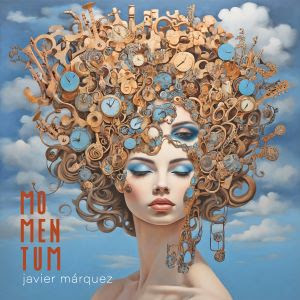
I found the cover art compelling, and it reminded me of the Mott The Hoople album The Hoople. It's a different genre, but there are some similarities and good memories for this music fan.


Javier plays the Armenian Duduk, bansuri, oboe, soprano sax, piano, guitars, pan drum, marimba, EWI, synthesizers, and sequencer.


"Resilience" starts the recording with atmospheric music and superb vocals from Julie Elven. The Armenian Duduk provides some delicate acoustic picking; the dreamy vocals will have you floating away in no time. Give yourself up to the music, as the artist offers all the sounds to allow you to open that window of opportunity to let go.


"Duermevela" begins with a soft and light piano, and a Bansuri (Bamboo flute) induces atmospheric sounds of tones and colors. As the track moves on for over two minutes, it takes on a jazz-world feel, most definitely with the fretless bass lines.


"Quietude" fits the title perfectly, with its opening Armenian Duduk taking the lead as the piano stays in the background and then goes to the front with the background of strings to accompany it for an orchestral direction. The track sounds sad around the three-minute mark, and you can feel that emotion in the music's quiet. Relaxing and contemplative, we move on to something different to follow.


The title track, "Momentum," begins with operatic vocals. The Armenian Duduk is the lead here again, and Clara Sorace lends her angelic voice to give the track a decidedly heavenly touch of class. At 3:25, it is one of the shortest tracks on the album but leaves an indelible mark on your consciousness. Interestingly, this approach was taken with a strong title for the track.


"Balada Das Ondas," which translates to "Ballad of the Waves," is another short-lived track and the shortest at 2:33. The piano and guitar are lovely, with a soft touch that gently and convincingly brings you into the music. Because of the song's length, it must move you instantly, which it did to me. It melts the stress away from your day.


"Pulsar" starts very differently than all the other tracks. It is upbeat and free from any expectations from hearing all the previous tracks. In other words, it is as eclectic as the entire album has been; however, the difference between this is that the energy and level of instrumentation go in an entirely different direction. It is hard to define any categorization. However, jazz has influenced it more than any other track, and it is the only track featuring the soprano sax.


"When We Leaving Home," as it indicates, would have some strong feelings attached depending on the circumstances of your leaving. Whether for an hour, a day, or permanently, each feeling would have a range of intensity. The Duduk and nylon guitar playing is very laid-back and reflective, and there is a hint of sadness as well. A nice flow and softness invite a listener into the music without a care.


“Ephémère,” translated, is ephemeral, fleeting, faddish, and short-lived. It starts with an exciting sound, the pan drum (Javier), with its ringing echoing tones similar to steel drums but much higher and more resonant. It is a stimulating track that picks up in pace with varying degrees of sounds and tones. It almost sounds like two instruments playing at once. It was the most intriguing track on the recording because it was so different, an outlier, compared to all the previous compositions.


"Under no Flag" could have many meanings depending on your identity and the possibilities. I will look at it as the artist is under his influence, and no country or flag controls what he creates for his audience to listen to. It ends up being one of the more beautifully constructed tracks with three main instruments converging: the piano, oboe, and acoustic guitar. It was the quiet storm of jazz for my ears and a superb way to close the curtain on this mixture of sounds and textures to engage your consciousness.


Momentum is a strong release that showcases diversity and musicianship. The mixture of contemporary, classical, new age, and jazz is a musical patchwork quilt that any discerning music lover can understand and appreciate.

Keith “MuzikMan” Hannaleck-NAMR Reviews Founder

September 3, 2024


Tracks:

01. Resilience

02. Duermevela

03. Quietude

04. Momentum

05. Balada Das Ondas

06. Pulsar

07. When We Leaving Home

08. Ephémère

09. Under no Flag


October 20, 2021

Track Review: Richard Spasoff and Gizella Firtha-Alphabet Soup

What kind of music are you in the mood for? When you know the track's title is "Alphabet Soup," you would expect some variety.

However, that you will get, it may classify as contemporary instrumental, progressive classical, or new age with a certain flair and tasteful ambiance.

Richard Spasoff's tinkling piano and Gizella Firtha's cello (co-composers) make for some exciting and thought-provoking sounds. You decide what to call it, but above all, click play and enjoy the listen!

Keith "MuzikMan" Hannaleck

October 2, 2021


About Richard Spasoff:

Website: https://richardspasoff.com

Richard Spasoff is an internationally renowned modern day psychic, medium,and Stand Up Comedian, motivational speaker, and radio/television personality for over 25 years. He has given accurate and insightful psychic readings to clients ranging from everyday citizens to celebrities, people in law enforcement, clergy, judges, attorneys and business CEOs... READ MORE

February 8, 2020

Classical/World/ New Age Instrumental Review: Kim Angelis-Passages

Release Date: January 15, 2020
Label: Cantocielo Music
Website


Kim Angelis has recorded a lot of music over the years. Her most recent effort is Passages. As indicated in her bio on her website, her foundation in classical music is readily apparent. What comes after that foundation is amazing!

Passages
has some incredible virtuoso violin playing. What you will witness is an aural explosion of colors and sound. This a woman taking that classical foundation to new heights of progressive improvisation and turning into a fascinating gypsy-inspired sound with all kinds of elements mixed in for an original sound.

The recording has nine tracks that come at you one after another, full speed ahead. If you have enjoyed other violin artists such as Jean Luc-Ponty and David Ragsdale etc., you will find great joy in this album. I know that great players go back to the days of Bach, so perhaps that is where this talented lady first received the gift of inspiration and creativity that brought her to this place she is in now.

The very first track just blew me away to be perfectly honest. “Lavender Farm” sounds like it should be a soft and gentle introduction to this music that unfolds before you. Well, do not read into that title, this track has plenty of high-level energy and cultural magnificence driving it along. The farm she dedicated the track to is a real place in IIwaco Washington, which is a garden of delights according to track notes included with the fold-out CD cover. I did add it to my New Age Music Reviews Spotify Playlist without a second thought. It is the second-longest track clocking in at 7:51. “The Promise,” another full-fledged classic instrumental track, finishes at 9:19.

How many instrumental violin tracks have you heard that had consistency and grabbed your attention for that long? There are not many that can do that, the previously mentioned Ponty, could do it for me, but then again, I am far from being a violin expert or one that listens to a lot of this type of music presented this way. I do believe I am missing out on an awful lot, and I am sure there is more out there that is similar but will it be this good?

“Lost and Found” illustrates that moving and danceable gypsy sound that I find alluring. It is more than just a casual listen. There are other players involved in all this music that help to heighten the lead violin sound. There is the quintessential percussion, bass, classical harp, flute, clarinet, and kalimba (which is a thumb piano) that populate the various textures and sounds in every track. It all comes together stunningly, like the magic of a gypsy spell, it sweeps you away like a warm wave of heat coming off a campfire blazing long into the night. The warmth permeates your senses, you feel it, smell it, and breathe it in, the music comes alive, and fills you up with all of its vibrations and sounds.

These Passages of time wrapped up in these nine fantastic tracks will convince you that the violin can indeed be a lead instrument if played with as much robustness and talent as one Kim Angelis.

Keith “MuzikMan” Hannaleck
February 6, 2020


Founder of:

 
Review Provided By New Age Music Reviews

Tracks:

1. Lavender Farm
2. Sweet Botswana
3. Wait Until Summer
4. The Promise
5. Eagles
6. Lost and Found
7. Longing
8. Tango de Paco
9. Sequoias (Resurrected)